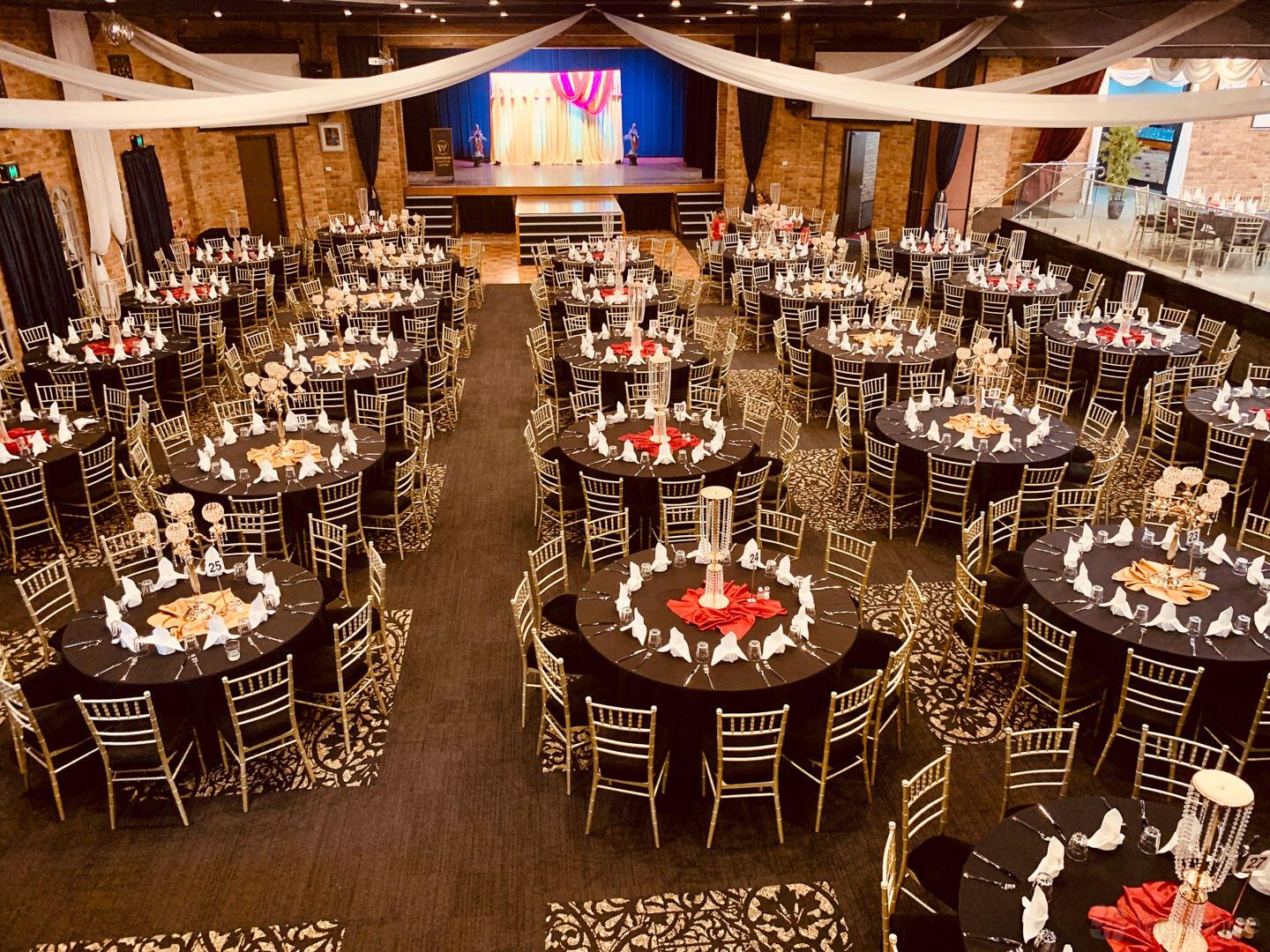
Planning a successful event requires organization, attention to detail, and good communication. Whether you’re organizing a wedding, birthday party, corporate event, conference, or concert, avoiding these five common mistakes can save you time, money, and stress.
1. Poor Budget Management
One of the biggest mistakes is failing to create a realistic budget or track expenses.
Avoid it: Set a clear budget before making bookings.
Compare vendor prices and get written quotations.
Keep an emergency fund of around 10–15% of your budget for unexpected expenses.
2. Choosing the Wrong Venue
A venue that is too small, too large, difficult to access, or unsuitable for the event can affect the entire experience.
Avoid it: Estimate attendance before booking.
Check capacity, accessibility, parking, power supply, restrooms, and facilities.
Visit the venue in person before paying a deposit.
3. Lack of Proper Planning and Time Management
Leaving important tasks until the last minute can lead to delays, forgotten details, and unnecessary pressure.
Avoid it: Create a detailed event timeline and checklist.
Set deadlines for bookings, invitations, payments, and deliveries.
Assign responsibilities to team members and follow up regularly.
4. Poor Communication With Vendors and Guests
Miscommunication can result in incorrect orders, late deliveries, missing equipment, or guests receiving the wrong information.
Avoid it: Confirm arrangements in writing.
Share clear instructions, schedules, and contact details with vendors and staff.
Send invitations early and communicate changes promptly.
5. Ignoring Risks and Having No Backup Plan
Unexpected rain, power failure, equipment problems, vendor cancellations, or medical emergencies can disrupt an event.
Avoid it: Identify possible risks before event day.
Arrange backup power, alternative suppliers, and an indoor option for outdoor events where possible.
Test sound, lighting, and other equipment before guests arrive, and establish an emergency plan.
Bonus tip: Don’t forget the guest experience
Even a beautifully organized event can fail if guests are uncomfortable, poorly informed, or left waiting for too long. Pay attention to seating, food, temperature, accessibility, entertainment, and the flow of activities.
Remember: Successful event planning is about preparing early, managing resources wisely, communicating clearly, and being ready for the unexpected.